
Introducing The Heterodox Social Science Database
Heterodox Social Science Newsletter for Q1 2026.

Happy New Year!
Welcome back to the Centre for Heterodox Social Science.
2026 is set to be a significant year for the Centre for Heterodox Social Science. In this edition of our quarterly newsletter, we are pleased to announce the launch of the Heterodox Social Science Database, share some of our latest research, and look ahead to the Heterodox Social Science Conference 2026.
The Heterodox Social Science Database
Today we launch the Heterodox Social Science Database, a new curated resource designed to build up a body of alternative social science knowledge from academics working outside the dominant cultural left paradigm of the post-1960s period.
The Database will serve as a living catalogue of heterodox work across disciplines. It will serve as a ‘one stop shop’ searchable reference source that provides post-progressive answers to social questions. In the future, if we can secure funding, this will grow into an alternative knowledge source, attached to source materials and complete with its own AI. Academics, journalists and policymakers will be able to query the Database and receive unbiased answers to social questions. These will be rooted in an accurate rendering of the world that is not subject to progressive taboos, topic interests and conceptual distortions.
Where mainstream AIs direct researchers to progressive sources, our AI will channel them to heterodox accounts. This will challenge prevailing theoretical, methodological, and ideological assumptions, advancing open inquiry and critical thinking.
Alongside academic papers and books, the Database will also highlight policy research and will function alongside the networking resources on the Centre site, opening up new collaborations between scholars and institutions.
The launch of the Heterodox Social Science Database marks a further step in our mission to support rigorous, independent, and intellectually diverse scholarship.
We have developed an online form asking you to inform us of as many heterodox books, articles and reports as you can to help grow the Database. Please be as generous as possible: your efforts will help to rebalance social science knowledge.
If you have produced heterodox research, or are aware of high-quality heterodox work by others, please submit it here.
New Report: Inclusive Racists and Pro-Jewish Antisemites?

In the coming academic term we will publish our first report of 2026 profiling right-wing new media audiences in America, based on new survey data.
We have found that widespread fears of a surging, uniformly racist or antisemitic “young right” driven by figures such as Nick Fuentes, Tucker Carlson and Candace Owens are overstated. Using new survey data, we show that their audiences are far more diverse in race, gender and age than commonly assumed, that explicit white-nationalist, racist and antisemitic views are confined to small minorities, and that most young conservatives remain warmer toward Jews than Palestinians.
Overall, rather than a mass movement toward white nationalism, we identify the rise of a nonspecific ‘conspiratorial’ constituency—often young and non-white, sceptical of elites and institutions, and drawn to anti-establishment narratives across left and right—which may become an influential floating vote in American politics.
The Heterodox Social Science Conference 2026
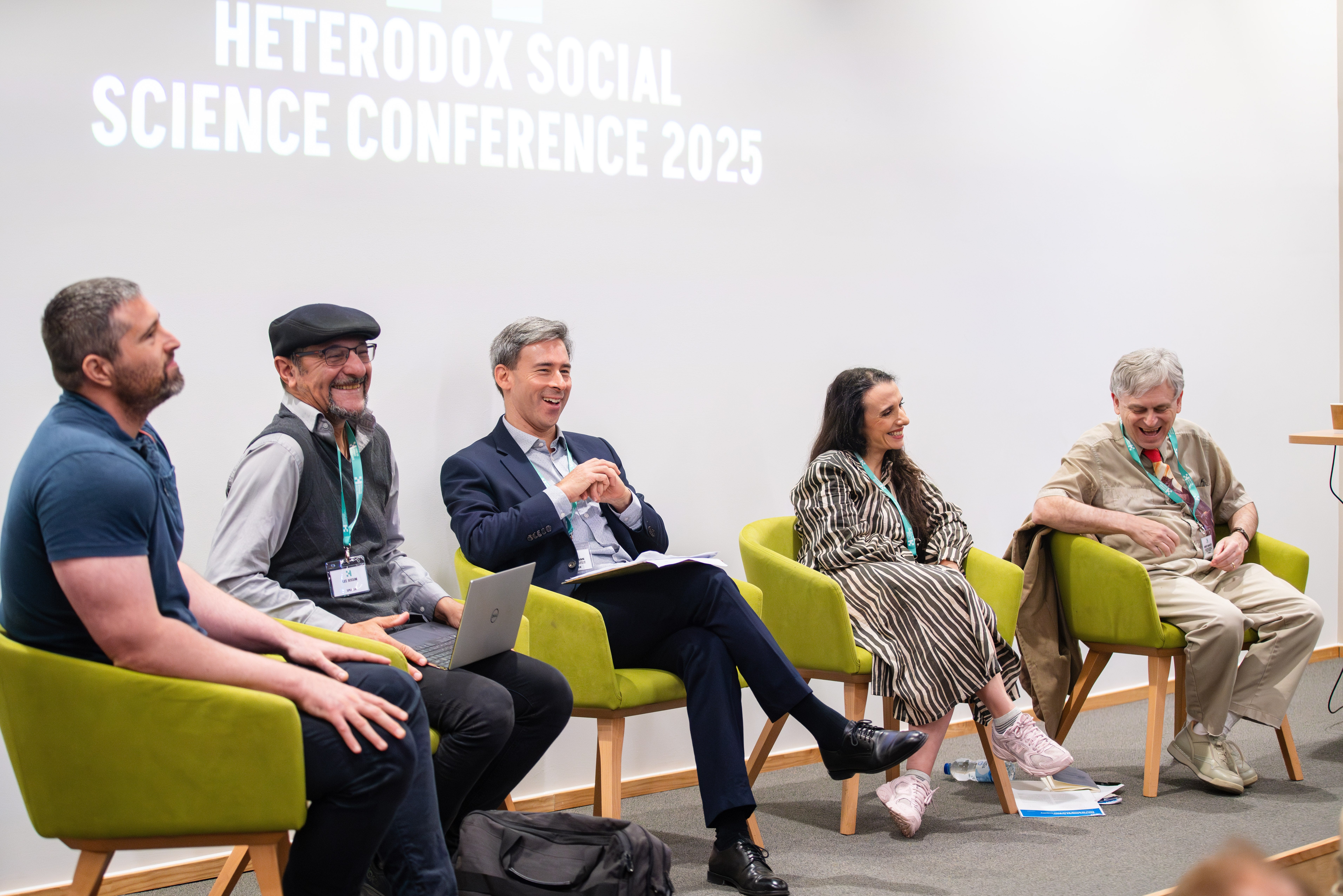
Following the tremendous success of the inaugural Heterodox Social Science Conference in June last year, we are delighted to announce that we are in the early stages of planning this year’s conference.
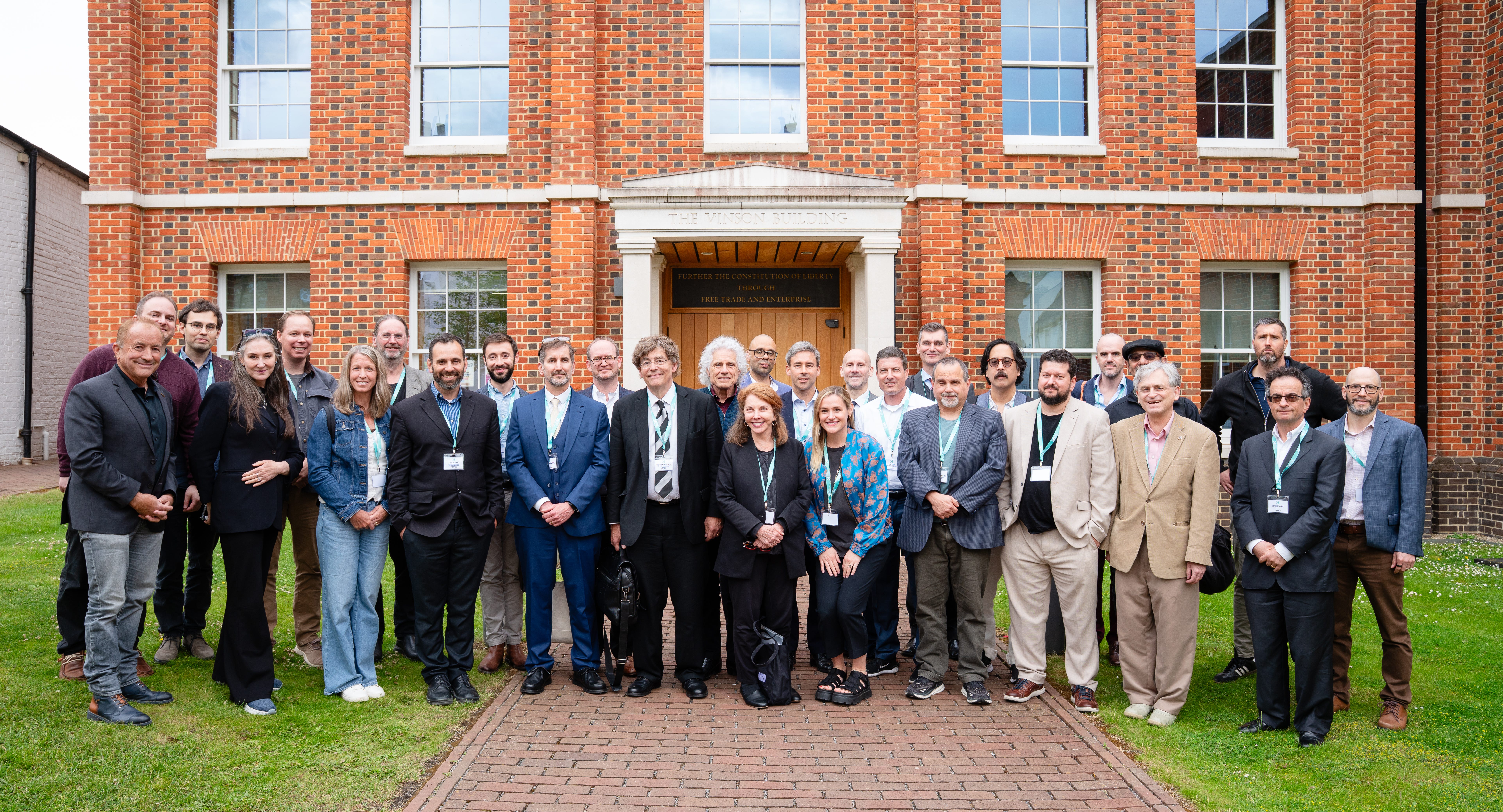
We will once again bring together the leading scholars and emerging researchers working outside the academic mainstream. Further details will be announced in due course, but the conference will build on the Centre’s mission to foster serious, pluralist, and policy-relevant social science, and we look forward to sharing more in the coming months.
Recently, through tinkering around with AI, I came across an interesting piece of social psychology from yesteryear. It's called the Power Distance Index (PDI) created by Geert Hofstede.
It was one of those lightbulb moments, and certainly explains the 'two movies, one screen' hugely varying experiences of British people in interacting with migrants. If you are a police officer, a social worker, local government worker, or even just a university graduate with a few obvious signs of higher social status, then it's highly likely that your experiences with migrants will have been generally positive, because people from non-Western cultures have much higher PDIs which indicates they will be deferential and excessively polite to anyone they perceive as having high social status.
If however, you are a cleaner, a hotel worker, a binman, or from any number of blue collar/working class backgrounds, then it's highly likely your experiences with migrants will have been more negative, because people from high PDI cultures are more dismissive, rude and condescending to those they perceive to be lower status.
This also holds true for foreign students in university environments. Western university students are no less status conscious and status enforcing than anyone else in Western cultures, but when it comes to foreign students, preparations for tertiary education will mean they are at least partially acculturated to Western values, with a higher degree of egalitarianism than normal for most people from their culture. People whose experiences stem mainly from interacting with tertiary educated people from outside the West aren't getting a full picture of the reality experienced by less privileged citizens.
Well done.